Most Americans nearing retirement are already thinking about how they will fund it. Far fewer have acted on it. According to LIMRA's Retirement Income Readiness Report, only about 40% of pre-retirees work with a financial professional, and many have yet to put a plan in writing.
Bill Nash, head of member relations at LIMRA and LOMA, joined Bryan Hodgens, head of LIMRA Research, for November's Industry Insights LinkedIn Live to discuss what this advice gap means for financial professionals and their clients.
Thinking About It Isn’t the Same as Planning for It
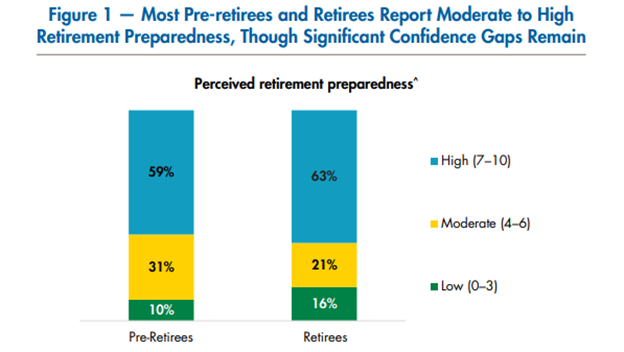
Nearly nine in 10 pre-retirees have thought about how they'll generate income in retirement. Yet 76% either have no retirement plan or spent fewer than five hours on one in the past year. Nash noted that many people likely spend more time planning a weeklong vacation.
Confidence can also be misleading, since many pre-retirees who feel ready have not reviewed their plans recently. Nash compared it to golf. "You and I at times think we're pretty decent golfers, but that doesn't necessarily mean we're actually good golfers," he said.
Professional Guidance Makes a Measurable Difference
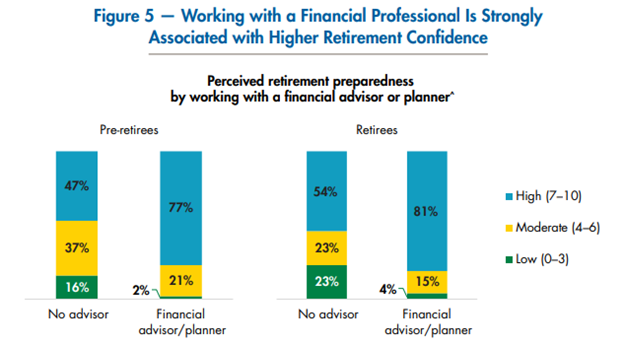
Among pre-retirees who work with a financial professional, 77% feel highly prepared for retirement, compared with 47% of those who don't. Retirees show the same pattern, at 81% with an advisor versus 54% without. Nash said that makes sense, since most people have spent decades focused on their careers and families rather than on retirement planning.
"If there's one big takeaway here, working with a professional makes a monumental difference."
-
- Bill Nash, Head of Member Relations, LIMRA and LOMA
Income Is the New Outcome
Because most pre-retirees already care about retirement income, Nash recommended that advisors move away from fear-based messaging and focus on the concerns clients already have. He also stressed creating a written plan early in the relationship. About half of pre-retirees don't have one or haven't updated it recently.
Hodgens pointed to a phrase from Jason Fichtner, executive director of the LIMRA Retirement Income Institute: "Income is the new outcome." LIMRA's research supports it. Nearly three-quarters of pre-retirees want to learn more about protected lifetime income, but only a quarter believe their current income sources will cover their essential expenses.
"Clients want to know where their retirement paycheck is coming from and what it looks like, and that's often a much more meaningful conversation than discussing returns alone."
-
- Bill Nash, Head of Member Relations, LIMRA and LOMA
Planning for the Risks of Retirement
Today's pre-retirees face longer retirements than earlier generations, often without a pension. Cost of living is their top concern, followed by the fear of outliving their savings. Nash said advisors can add value by stress testing plans against inflation, market volatility, health care costs, and longevity. He called sequence-of-returns risk "a really silent killer, just retiring at the wrong time."
Hodgens recalled an uncle who retired in 2008 and, six months in, was drawing income from a portfolio that had fallen 30% to 35%. He also noted that health care costs and cognitive decline are moving toward the top of pre-retirees' concerns. He recommended a recent paper by Colin Devine that models how these kinds of shocks affect retirement income.
Nash cautioned against relying on the numbers alone. When an advisor tells a client their plan has an 85% chance of success, he said, the client hears something different.
"What do you think every client hears when they say that? Well, I've got a 15% chance of my plan not working out."
-
- Bill Nash, Head of Member Relations, LIMRA and LOMA
Looking Ahead
For firms supporting their advisors, Nash said planning software helps, but the approach advisors take with their clients needs to shift. Asset allocation drives the accumulation years. In retirement, product allocation matters just as much but should be aligned with the decumulation strategy to provide a paycheck and income that meets basic living expenses.
November's conversation was the last Industry Insights episode of 2026. The series returns in January 2027. LIMRA members can read the full Retirement Income Readiness Report here.
Watch the full episode on LIMRA's LinkedIn page, or click here.