Defining Your Legacy: What Will You Be Known For?
Defining Your Legacy: What Will You Be Known For?
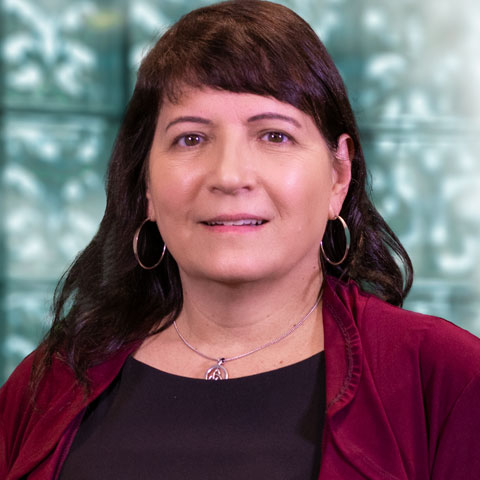
Lisa Stevens
Director of Executive Development
LIMRA and LOMA

March 2026
It is common for all leaders to advance in their careers based on recognition of functional and technical expertise. Once leaders find their niche — what they have done well for years — they often continue doing what they do best because it has brought them much success. Based on aspirations and at pivotal career turns, leaders often realize that “What Got You Here Won’t Get You There,” a phrase coined by Marshall Goldsmith, the only two-time “World’s #1 Leadership Thinker” in the world. When leaders reach this critical awareness point, many pivot to focus on shaping their long-term plan for success. It is this shift that opens the door to a longer-term leadership legacy.
When asked, “When was the last time you thought about your leadership legacy?” some leaders pause. This moment of hesitation often stems from the fact that thinking about legacy requires deep reflection, vulnerability and a shift from short-term performance to long-term impact — a transition that can feel daunting or unfamiliar. More tenured leaders may have defined legacies and have not reflected on them in some time. In simplest terms, a leadership legacy focuses on three areas:
When does a leadership legacy begin? First, a legacy is not a “thing” leaders leave behind, nor is it a list of accomplishments, performance ratings, or check-the-box items. Rather, a legacy is how a leader is remembered for shaping an organization or industry.
Many believe that a legacy begins late in an individual’s career — after achievements and milestones are attained. Others believe that a legacy begins with their first leadership role. However, many leaders become aware of the concept and its importance late in their careers. In some companies, leadership legacy is only spoken about at executive levels or in high-potential programming and may not cascade to deeper organizational levels.
Thinking about your leadership legacy now can positively shape the future. Ideally, this focus should start early in one’s career and be integrated into development planning and leadership programs. Beginning the process sooner helps leaders approach their roles with greater intention and influence, ultimately shaping how they show up and impact the future.
For leaders with established legacies, it’s important to review and adjust along the way to ensure alignment with changing workforce dynamics, culture shifts and evolving employee needs. Research shows that adapting leadership styles to reflect changing workforce dynamics — such as rising multigenerational teams, remote or hybrid structures, and shifting expectations around empathy, flexibility and inclusion — not only enhances team engagement but also reinforces cultural cohesion across the organization. Ultimately, a lasting leadership legacy isn’t static; it requires continuous refinement to evolve leadership practices in response to the changing needs of the people and organization.
To further illustrate the importance of legacy, let’s look at two external perspectives:
In partnering with senior executives for over three decades, my view of the ingredients for a leadership legacy is similar to the thinking of Laker, which I hope is helpful. While results and leadership behaviors defined within organizations are critical, how leaders embrace people, culture and values also shapes legacies.
Focusing on your personal leadership legacy isn’t selfish — it’s essential. Taking time to reflect on what you want to accomplish and how you want to lead provides clarity and purpose. Understanding how others perceive your leadership is empowering and helps shape the legacy you will leave.
Where to Start
For those new to leadership or looking to revisit their existing legacy, it requires an intentional — not reactive — commitment. Check out the tips below to get started.
| Just Getting Started | Dusting Off My Legacy | Tools/Resources | |
|---|---|---|---|
| Reflect | What does having a leadership legacy mean to me? | How purposeful is my existing legacy? What changes are needed? | Personal reflection Conversations (Leader/Mentors/HR Partner) |
| How do I want to be remembered? | Personal reflection ("audit your leadership purpose, beliefs and values") | ||
| What level of commitment will I make to establishing my legacy? | |||
| Revisit | How do I show up to others? Do my actions align with my desired legacy? What would others say if asked about how I show up? How will decisions I make today shape the future of the organization/industry? |
Leadership assessments (e.g., 360, DiSC, Hogan, MBTI, StrengthsFinder, etc.) Performance and development plans Employee engagement data Other feedback and unconscious behaviors Conversations (Leader/Mentors/HR Partner/Team/Peers) Personal reflection |
|
| Reach | Who can help me shape my legacy? How can they specifically provide guidance? | Personal Reflection Establish my "personal board of directors" for guidance | |
| Reaffirm | How and when will I revisit my legacy? How will I hold myself accountable? How will I assess how my defined legacy aligns with how others currently view me? |
Intentional personal commitment Support of my personal board of directors |
|
Regardless of whether leaders plan to leave a formal leadership legacy, they do leave a lasting footprint on others, organizations and the industry. And that footprint could be inspiring the leadership legacy of next-generation leaders without knowing it.
A quote by Jim Kouzes and Barry Posner, authors of “A Leader’s Legacy,” has personally guided me throughout my career and was shared with the Strategic Leadership Experience Class of 2025 graduates: “By asking ourselves how we want to be remembered, we plant the seeds for living our lives as if we matter. By living each day as if we matter, we offer up our own unique legacy. By offering up our own unique legacy, we make the world we inhabit a better place than we found it.”

March 2026 Subscribe
LIMRA Launches 2026 Lifetime Income Initiative
Intermediary Distribution: Steering Through Currents
Spotlight on Liza Tyler at Transamerica
Building Trust in AI With Proactive Risk Management
Workplace Benefits: Using the Past to Stay Ahead
Defining Your Legacy: What Will You Be Known For?
DC Plans Investment Menu: Too Much of a Good Thing?
Insurance and AI in Canada: Reimagining the SDLC
New Dental Subscriber Sales: Interpreting Market Signals
MarketFacts February 2026 Review