Unscrambling the View on Life Insurance For Younger Adults

Unscrambling the View on Life Insurance For Younger Adults

Stephen Wood
Research Director, Markets Research
LIMRA and LOMA

September 2026
A large part of our focus in LIMRA Consumer Markets is reaching younger generations, specifically those in their 20s and early 30s. While it is true that Americans who are getting married and starting families are, on average, doing both later than previous generations, many millions are still getting married and starting families.
New marketing platforms, social media apps and technologies are helping make everything from initial probes to agent conversations to underwriting more efficient. Life insurance companies and financial institutions are investing in these new technologies with an eye on strong returns.
However, when it comes to life insurance, it may pay to never forget the basics. According to the 2026 Insurance Barometer Study, 31% of Americans prefer in-person, face-to-face conversations when interacting with a financial professional or life insurance agent. And this dynamic does not seem to be changing, despite available technology and perceptions of attention spans.
Twenty-nine percent of Generation Z also say they’d prefer in-person conversations. Additionally, when we include telephone and video conferencing, this percentage jumps to over 50%.
When thinking about the way young adults may view life insurance, it would be helpful to see things through their eyes — and understand which themes emerge.
Life insurance for me right now:"I'm not sure I want to give my money to a company for a confusing policy I don't understand, and I'll never be able to use that money anyway."
|
Life insurance later:"My health is starting to change, and I should probably buy some or more insurance in case something happens, but I want to be able to access the funds in case I experience some financial hardship."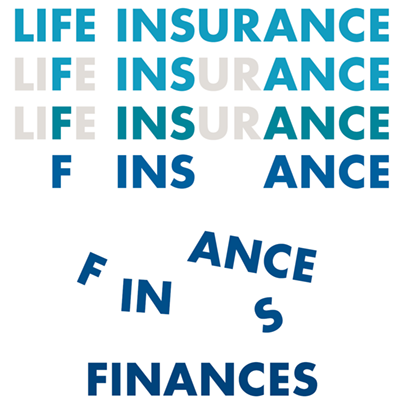
|
Life insurance when I'm gone:"Will my family be able to survive, and will they have enough to sustain their current lifestyle, or will I leave them a heap of debt?"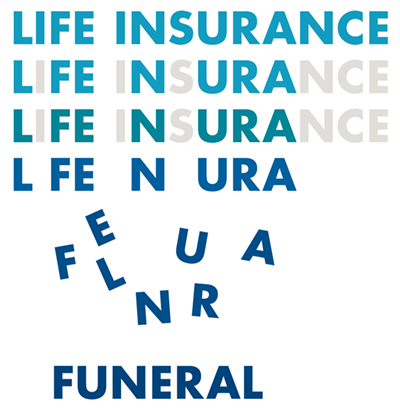
|
Consumers will tell organizations like LIMRA and its member companies that they seek clarity in marketing materials and plan descriptions. Of course, that means different things to different people.
Although the quotes in Figure 1 are hypothetical, they are representative of the questions many consumers have when they first begin shopping for life insurance. One-fifth (20%) of life insurance owners say they own life insurance to supplement retirement income.
Interestingly, when shown a set of potential components of a life insurance policy, almost half (47%) of Gen Z and Millennials say that “providing income in retirement” is attractive. That leads to the question: How many of them are aware that it is an option when they are 30 years away from retirement?
Once a shopper becomes more serious about life insurance, they begin to compare the different types of products available to them. While many view life insurance as a policy that can only provide a death benefit, once other features come to light, the conversations with an agent or producer become much more attractive.
Depending on the client, the tax advantages of life insurance are a huge selling point that the industry often takes for granted. Beyond that, term-to-perm conversion policies and living benefits are usually viewed in a positive light by consumers who were previously unaware of those features.
Life insurance is too often seen as a protection product with no accumulation benefits. The trick is to convey its often-complex features in a clear and concise way. This can be quite difficult on social media or website landing pages.
Additionally, “if something happens” often means a disability affecting a family’s wage earner. Fifty-one percent of Americans say they would feel the financial impact of a primary wage earner becoming too sick or injured to work within six months. About a quarter say they would utilize credit cards and/or their retirement plans, such as a 401(k) or 403(b), with penalties, compared with the smaller percentage who own an individual disability policy.
At the very least, final expense policies and similar products are affordable, readily available options that provide some financial security for those who purchase them.
Life insurance, including the policies, cost and concept, is often unclear to consumers, especially younger adults. Because of that lack of clarity, many do not realize that certain policies can provide financial benefits while they are still living. And while final expense policies are a good fit for many, others are unaware that they could better protect their families with a different type of life insurance or additional coverage.
Unscrambling life insurance has never been simple, but a renewed focus on how the industry’s marketing and distribution professionals communicate with consumers can certainly help.
All data are from the 2026 LIMRA and Life Happens Insurance Barometer Study.

September 2026 Subscribe
92 Million Reasons to Talk About Life Insurance
From Claim to Connection: The Payout Is Just the Start
Spotlight on F&G’s VP, Head of Marketing, Molly O’Brien
Rebuilding Leadership for the Industry’s Talent Crisis
Unscrambling the View on Life Insurance for Younger Adults
The Widow’s Walk: Preparing For the Financial Transition
Final Expense Market Surges as Sales Top $1.38 Billion
The Great Shift in Distribution: Numbers Tell the Story
Moving Research Forward With the Help of AI
Canadian Employers’ Views on Employee Benefits, Part 2
Insights and Trends
Advertorial: 3 Questions Life Insurance Carriers Should Answer
MarketFacts August 2026 Review